Showing posts with label email marketing strategy. Show all posts

Wednesday, March 19, 2025

Email Best Practices: Who’s on the Naughty and Nice List This Holiday Season?

Email Best Practices: Who’s on the Naughty and Nice List This Holiday Season?

When the holiday shopping rush kicks in, it seems like email marketing best practices take a backseat. Marketers often switch up their strategies, focusing heavily on promotions while overlooking key tactics like cart abandonment recovery.

According to a survey by Strongview and Selligent, nearly 300 email marketers revealed their holiday game plan. The majority are doubling down on promotional emails and basic marketing tactics, leaving essential programs, such as cart abandonment reminders, on the sidelines.

“Marketers are falling into the trap of shouting to their customers in an attempt to rise above the holiday noise,” said Andre Lejeune, CEO of Selligent. “Instead of using this time to strengthen customer relationships, they’re focusing solely on short-term gains. Those who align their holiday email campaigns with long-term goals will see the biggest returns.”

The Holiday Email Playbook: What's In and What's Out

  • Sales and Discounts Dominate – A whopping 63% of marketers rank sales promotions as their top holiday email strategy, and 80% include them in their top three priorities.

  • Cross-Selling Takes a Backseat – Product recommendations and cross-sell opportunities are largely overlooked, with fewer than 10% of marketers making them a primary focus.

  • Cart Abandonment is Underutilized – Only 23% of marketers prioritize cart abandonment emails, despite their proven effectiveness.

  • Post-Purchase Emails Are Overlooked – Just 26% consider follow-up emails after a purchase a key strategy.

A Shift Towards Targeting—But Not Personalization

While promotions take center stage, some marketers are still leveraging targeting techniques to make their campaigns more effective. About 39% rank segmentation and targeting as their top holiday tactic, while 56% include it in their top three strategies. However, more sophisticated approaches like open-time personalization (21%), offer testing (21%), and video in email (11%) aren’t widely adopted.

Email Marketing Budgets Hold Strong

Despite shifting priorities, email marketing remains a powerhouse during the holiday season. Half of marketers reported increasing their email marketing budgets for the 2016 holidays, while only 1.5% planned to cut back. The rest are sticking with their existing budgets.

The Bottom Line

While marketers are eager to maximize holiday sales, those who focus solely on promotions may miss valuable opportunities to engage customers. By balancing short-term sales with long-term relationship-building, brands can ensure they stay on the ‘nice list’—and in their customers' inboxes—long after the holiday season ends.

Wednesday, January 15, 2025

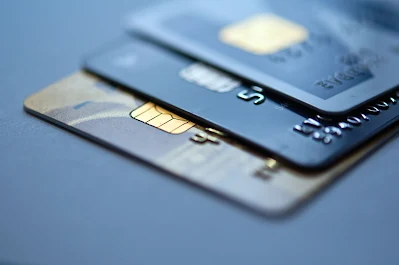
Mastering Email Marketing: A Comprehensive Guide to Promoting Credit Card Offers for Banks

Mastering Email Marketing: A Comprehensive Guide to Promoting Credit Card Offers for Banks

Email marketing is one of the most effective ways for banks to engage with their customers, especially when promoting credit card offers. However, with so many messages flooding inboxes, it’s critical for banks to stand out with targeted, engaging, and personalized content. In this ultimate guide, we’ll cover everything you need to know about email marketing for credit card offers, from best practices to actionable strategies.

1. Understanding the Audience

Before drafting any email, it's essential to understand who your audience is. Banks offer credit cards for a variety of customer segments, such as:

  • New Customers: These may be people who are looking to open their first credit card or those who have recently shown interest in financial products.
  • Existing Customers: Customers who already have a relationship with the bank but may not be aware of the various credit card options available to them.
  • High-Value Customers: Individuals who are more likely to be interested in premium offers like high-limit cards or rewards-based programs.
  • At-Risk Customers: Customers who may be on the verge of leaving the bank due to unmet needs or dissatisfaction.

Understanding your audience’s specific needs will help you craft personalized email campaigns that drive results.

2. Crafting the Perfect Subject Line

The subject line is the first impression your recipients will have of your email. It’s also the deciding factor in whether or not your email gets opened. Therefore, it’s crucial to make it compelling, concise, and relevant.

Tips for crafting effective subject lines:

  • Use urgency or exclusivity: Words like “Limited Time Offer” or “Exclusive Rewards” can create a sense of urgency.
  • Highlight the benefit: Let recipients know what they stand to gain, e.g., “Earn 5% Cashback with Our New Credit Card!”
  • Keep it short and sweet: Aim for 40-50 characters to avoid truncation, especially on mobile devices.
  • Personalize: Use the recipient’s name or past interactions with your bank to make the subject line feel personal, such as “John, Unlock 0% APR on Your Next Purchase!”

3. Personalization is Key

One of the main advantages of email marketing is the ability to send tailored content to specific individuals. Personalization helps increase engagement rates and conversion by delivering relevant offers based on the recipient’s profile or behavior.

Here are some ways to personalize your credit card email campaigns:

  • Segmentation: Divide your email list into segments based on customer demographics, spending habits, and previous interactions with your bank.
  • Behavior-based triggers: Send automated emails triggered by certain actions, such as someone browsing credit card options on your website but not completing the application.
  • Dynamic content: Use dynamic email content to show different offers based on the recipient’s location, spending history, or financial needs.

Personalization creates a stronger connection and drives higher conversion rates by making your offers more relevant.

4. Crafting the Body of the Email

Once you’ve got your audience’s attention with a great subject line, it’s time to focus on the content of the email. The body should be clear, concise, and persuasive.

Here’s how to create engaging content for your credit card offers:

  • Clear Call-to-Action (CTA): Ensure the CTA is obvious and easy to follow. Use action-oriented language like “Apply Now,” “Get Your Card Today,” or “Unlock Your Rewards.”
  • Highlight key benefits: Whether it’s rewards, cashback, or low APR, make sure to clearly explain the benefits of the credit card offer.
  • Social proof: Add testimonials, reviews, or stats to build trust. For example, “Over 50,000 customers have unlocked 3% cashback on every purchase.”
  • Mobile optimization: Since many people read emails on their phones, ensure your email is optimized for mobile devices. This includes using large fonts, single-column layouts, and prominent CTAs.

5. Timing and Frequency

Timing is everything in email marketing. You don’t want to bombard your customers with too many emails, but you also want to ensure that your offer isn’t buried in their inboxes.

Best practices for email timing and frequency:

  • Frequency: Send emails regularly but not too often. A good rule of thumb is sending 2-3 promotional emails per month.
  • Time of day: Research suggests that the best times to send emails are between 10 AM and 2 PM on weekdays. But test and analyze your own email performance to find what works best for your audience.
  • Send time optimization: Use A/B testing to determine the optimal time for sending emails based on user behavior.

6. Testing and Optimization

One of the key advantages of email marketing is the ability to track and test everything. Testing different elements of your emails can help you optimize for the best performance.

  • A/B Testing: Test subject lines, email layouts, images, and CTAs to understand what resonates most with your audience.
  • Open and click-through rates: Monitor these key metrics to gauge the effectiveness of your emails.
  • Conversion rate: Ultimately, your goal is to drive credit card sign-ups, so track how many recipients take the desired action.

By constantly testing and optimizing your email campaigns, you can improve your results over time.

7. Compliance and Legal Considerations

When promoting credit cards via email, it’s essential to adhere to both legal and ethical standards. Ensure that your emails are compliant with regulations such as:

  • CAN-SPAM Act: Ensure recipients can easily unsubscribe from your emails and that your messages include your bank’s physical address.
  • GDPR (General Data Protection Regulation): If you’re targeting customers in the European Union, make sure you’re following GDPR guidelines on data privacy.
  • Truth in Advertising: Always be transparent about the terms of your credit card offers, including APR rates, fees, and any other charges.

Failure to comply with these regulations can result in fines and damage to your reputation.

Conclusion

Email marketing is a powerful tool for promoting credit card offers to a highly targeted audience. By understanding your customers, crafting personalized content, optimizing your emails for mobile, and adhering to best practices, banks can drive higher conversion rates and create lasting customer relationships.

For further insights into your email campaigns, test your content for potential issues using testmailscore.com, a free tool that gives an in-depth report to help optimize your email and avoid spam filters.

Monday, August 19, 2024

Email Marketing Basics: A Comprehensive Guide

Email Marketing Basics: A Comprehensive Guide

Email marketing is one of the most effective tools in a digital marketer's arsenal. It allows businesses to reach their target audience directly, build relationships, and drive conversions. But to make the most out of your email marketing efforts, it's essential to understand the basics. This guide will walk you through the key components of a successful email marketing strategy.

Why Email Marketing?

Before diving into the "how," let's discuss the "why." Despite the rise of social media and other communication platforms, email remains a powerful channel for businesses. Here are a few reasons why email marketing is crucial:

  • Direct Access to Your Audience: Email allows you to communicate directly with your audience, bypassing any algorithmic filtering that may occur on social media platforms.
  • High ROI: Email marketing is known for its high return on investment (ROI). For every dollar spent, businesses can expect an average return of $42.
  • Personalization: Email provides the opportunity to segment your audience and tailor your messages to specific groups, making your communication more relevant and effective.

Building Your Email List

The foundation of any email marketing campaign is a solid email list. Here’s how to build and maintain a healthy list:

  1. Use Sign-Up Forms: Encourage website visitors to subscribe to your email list by placing sign-up forms on your site. Offer incentives such as a free ebook, discount, or exclusive content to entice sign-ups.

  2. Leverage Social Media: Promote your email list on social media platforms to attract new subscribers. Create posts that highlight the benefits of joining your email list.

  3. Ensure Opt-In Compliance: Always use a double opt-in process to ensure that subscribers genuinely want to receive your emails. This helps reduce the likelihood of your emails being marked as spam.

  4. Regularly Clean Your List: Periodically remove inactive subscribers to keep your list healthy and improve your email deliverability rates.

Crafting Compelling Content

The success of your email marketing campaign largely depends on the content you deliver. Here are some tips for crafting compelling email content:

  • Write Attention-Grabbing Subject Lines: The subject line is the first thing your recipients see, so make it count. Use action words, ask questions, or create a sense of urgency to increase open rates.

  • Personalize Your Emails: Use the recipient's name and tailor the content based on their preferences or past interactions with your brand. Personalized emails have higher open and click-through rates.

  • Keep It Short and Sweet: People have limited attention spans, especially when reading emails. Keep your message concise and focused on a single topic.

  • Include a Clear Call to Action (CTA): Every email should have a clear purpose. Whether you want the reader to make a purchase, sign up for a webinar, or visit your website, make sure your CTA is prominent and easy to follow.

Understanding Email Deliverability

Even the best email content won't be effective if it doesn't reach your audience's inbox. Here’s how to improve your email deliverability:

  1. Authenticate Your Domain: Implementing domain authentication protocols like SPF, DKIM, and DMARC helps improve your sender reputation and ensures your emails are delivered to the inbox.

  2. Monitor Your Sender Reputation: Your sender reputation plays a crucial role in email deliverability. Maintain a good reputation by avoiding spammy practices, such as using misleading subject lines or sending emails too frequently.

  3. Avoid Spam Triggers: Words like "free," "limited time offer," or excessive use of exclamation marks can trigger spam filters. Be mindful of your language to ensure your emails land in the inbox.

  4. Test Before Sending: Before sending out your email campaign, it's wise to test it for deliverability issues. This is where tools like TestMailScore.com come in handy. TestMailScore.com is a free tool that allows you to check the spam score of your email, providing advanced insights to help you optimize your campaign for better deliverability.

Analyzing Your Results

To continuously improve your email marketing efforts, it's essential to analyze your campaign results. Key metrics to track include:

  • Open Rate: The percentage of recipients who opened your email. A low open rate could indicate that your subject lines need improvement or that your emails are not reaching the inbox.

  • Click-Through Rate (CTR): The percentage of recipients who clicked on a link within your email. A high CTR indicates that your content and CTA are resonating with your audience.

  • Conversion Rate: The percentage of recipients who completed the desired action, such as making a purchase or filling out a form.

  • Bounce Rate: The percentage of emails that could not be delivered. High bounce rates can harm your sender reputation and reduce your overall deliverability.

Conclusion

Email marketing is a powerful tool when done correctly. By building a quality email list, crafting compelling content, ensuring high deliverability, and analyzing your results, you can create effective email campaigns that drive significant results for your business.

Don't forget to use TestMailScore.com to check the spam score of your emails. This free tool provides an in-depth report on your email campaign, helping you make the necessary adjustments for better performance.